

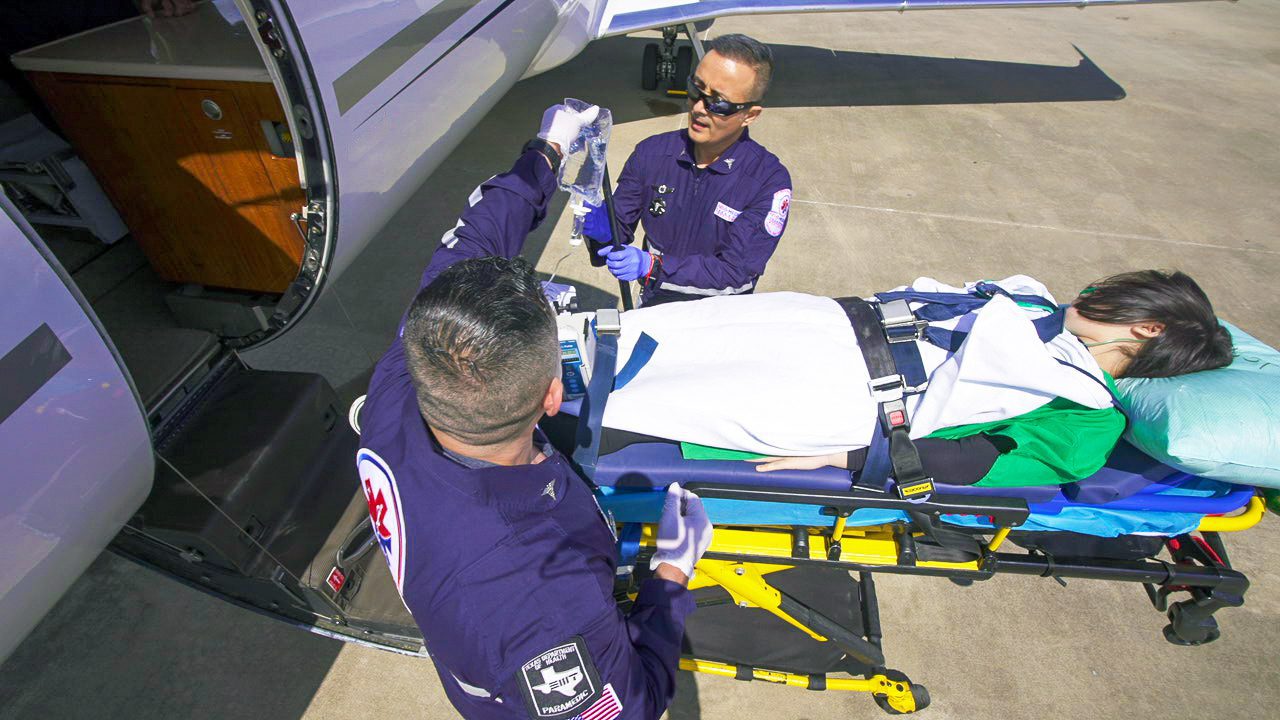
Fixed-Wing Air Ambulance for Special Needs & Complex Conditions
Air Medical Transport provides complete bed-to-bed fixed-wing air ambulance transport management for patients with special needs and complex clinical conditions who may require long-distance medical transport with specialized planning, equipment, communication, or care-team alignment.
This page addresses medically complex fixed-wing air ambulance transport needs that require specialized transport planning.

Worldwide
Network

International
Air Ambulance

Bed-to-Bed
Transport

ICU-Equipped
Aircraft

24/7
Support

Safety &
Compliance
Our Flight Coordinator Specialists manage each transport through selected FAA Part 135 and/or EASA-certified fixed-wing air ambulance operators. Families, hospitals, and care teams receive clear guidance, continuous transport monitoring, and closed-loop communication from the first call through arrival at the receiving facility.
Families and facilities do not need to coordinate multiple parties or manage transport logistics alone. Our team remains the single point of contact throughout the fixed-wing air ambulance process. The patient's physicians guide clinical decisions. Our team uses the information provided to review fixed-wing air ambulance options, planning requirements, and clear next steps.
We support fixed-wing air ambulance transports within the United States, from and to the United States, and worldwide between international locations when clinically appropriate and operationally feasible based on the information provided.
Cancer & Immunocompromised Patients — Fixed-Wing Air Ambulance Transport
Cancer patients and immunocompromised individuals may require careful fixed-wing air ambulance planning because treatment fatigue, weakened immune systems, oxygen needs, symptom burden, or ongoing oncology care can affect transport requirements.
When clinically appropriate and available, fixed-wing air ambulance transport may support long-distance transfer to cancer centers, treatment facilities, palliative destinations, or continued-care settings when commercial travel is not suitable.
Clinical Priorities
- Infection-control planning with sending and receiving clinical teams
- Oxygenation, symptom management, and monitoring needs reviewed case by case
- Medication timing, hydration, mobility, and comfort considerations
- Clear communication with oncology, treatment, or palliative-care teams
Why Families and Hospitals Rely on Us
We guide families, hospitals, and care teams through what must align for careful transport planning, facility coordination, and clear next steps.
Rare Diseases & Genetic Disorders — Fixed-Wing Air Ambulance Transport
Patients with rare diseases or genetic disorders may require customized fixed-wing air ambulance planning because diagnosis-specific risks, mobility limitations, vascular or tissue fragility, surgical history, immune status, or multisystem involvement can affect transport requirements.
Relevant examples may include severe combined immunodeficiency (SCID), Ehlers-Danlos Syndromes (EDS), mitochondrial disorders, or other multisystem conditions.
Clinical Priorities
- Positioning and transfer planning based on the patient's condition
- Gentle handling considerations for fragile joints, skin, or vasculature when relevant
- Advance review of surgical history, mobility limitations, medication needs, and specialized risk factors
Our Approach
We align the transport plan with available physician guidance, specialty-center instructions, receiving-facility requirements, aircraft suitability, and selected operator resources.
Neurological & Neuromuscular Conditions — Fixed-Wing Air Ambulance Transport
Patients with neurological or neuromuscular conditions, including Guillain-Barre Syndrome (GBS), ALS, MS, spinal muscular atrophy (SMA), muscular dystrophy, or similar conditions, may require respiratory support, monitoring, medication timing, positioning, or symptom-management planning during transport.
Clinical Priorities
- Ventilatory, airway, or oxygen support when clinically required and available
- Neurologic, respiratory, and hemodynamic monitoring needs reviewed case by case
- Medication timing, pain control, positioning, and autonomic-stability considerations
Our Approach
Fixed-wing air ambulance transport may be appropriate when airway, ventilatory, oxygen, medication, positioning, or monitoring needs make commercial travel or prolonged ground transport unsuitable.
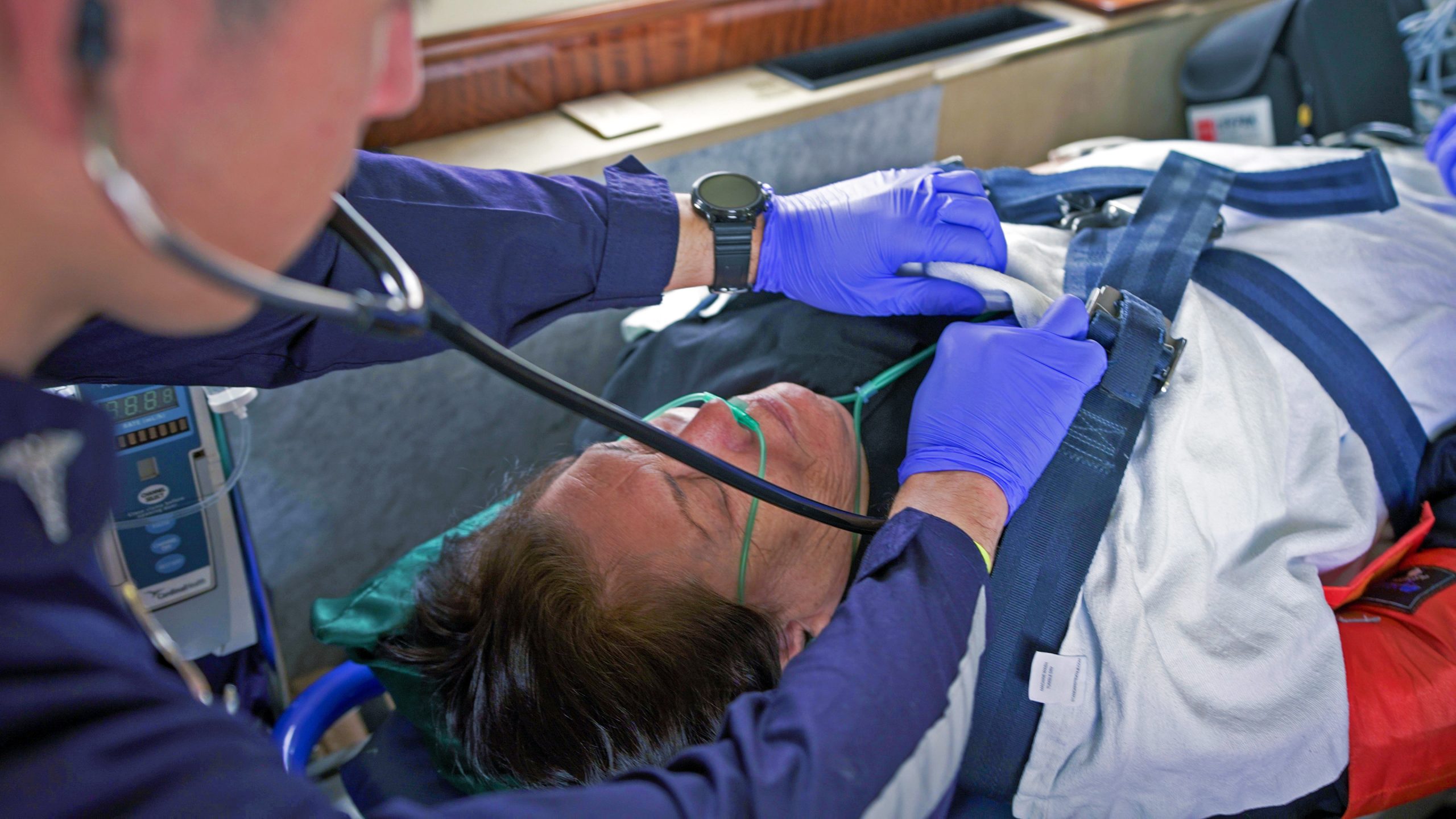
Spinal Cord Injuries — Fixed-Wing Air Ambulance Transport
Spinal cord injury patients may require careful movement, positioning, immobilization when clinically indicated, and pain-sensitive handling during long-distance transfer.
Clinical Priorities
Spinal precautions and immobilization techniques when directed by the clinical team
Proper securement on aircraft stretcher systems and appropriate loading configuration
Ventilatory support when clinically indicated and available
Pain-management planning and closed-loop communication with receiving rehabilitation, trauma, or spine teams.
Our Approach
We coordinate transport details with rehabilitation centers, trauma specialists, spine teams, and selected operators to support a carefully managed bed-to-bed fixed-wing air ambulance transfer.
Traumatic Brain Injuries (TBI) — Fixed-Wing Air Ambulance Transport
Patients with traumatic or acquired brain injuries may require review by the appropriate clinical team of cabin pressurization, oxygenation, neurologic status, positioning, and transport suitability before fixed-wing air ambulance transport.
Clinical Priorities
- Cabin-altitude and oxygenation considerations reviewed by the appropriate clinical team
- Controlled stimulation, comfort, and positioning considerations
- Neurologic assessment and ventilatory support when clinically required and available
- Communication with neurocritical care, trauma, or rehabilitation programs
Our Approach
Our structured transport management supports communication, continuity, and careful planning for brain-injured patients during regional, national, or international fixed-wing air ambulance transfers when clinically and operationally appropriate.
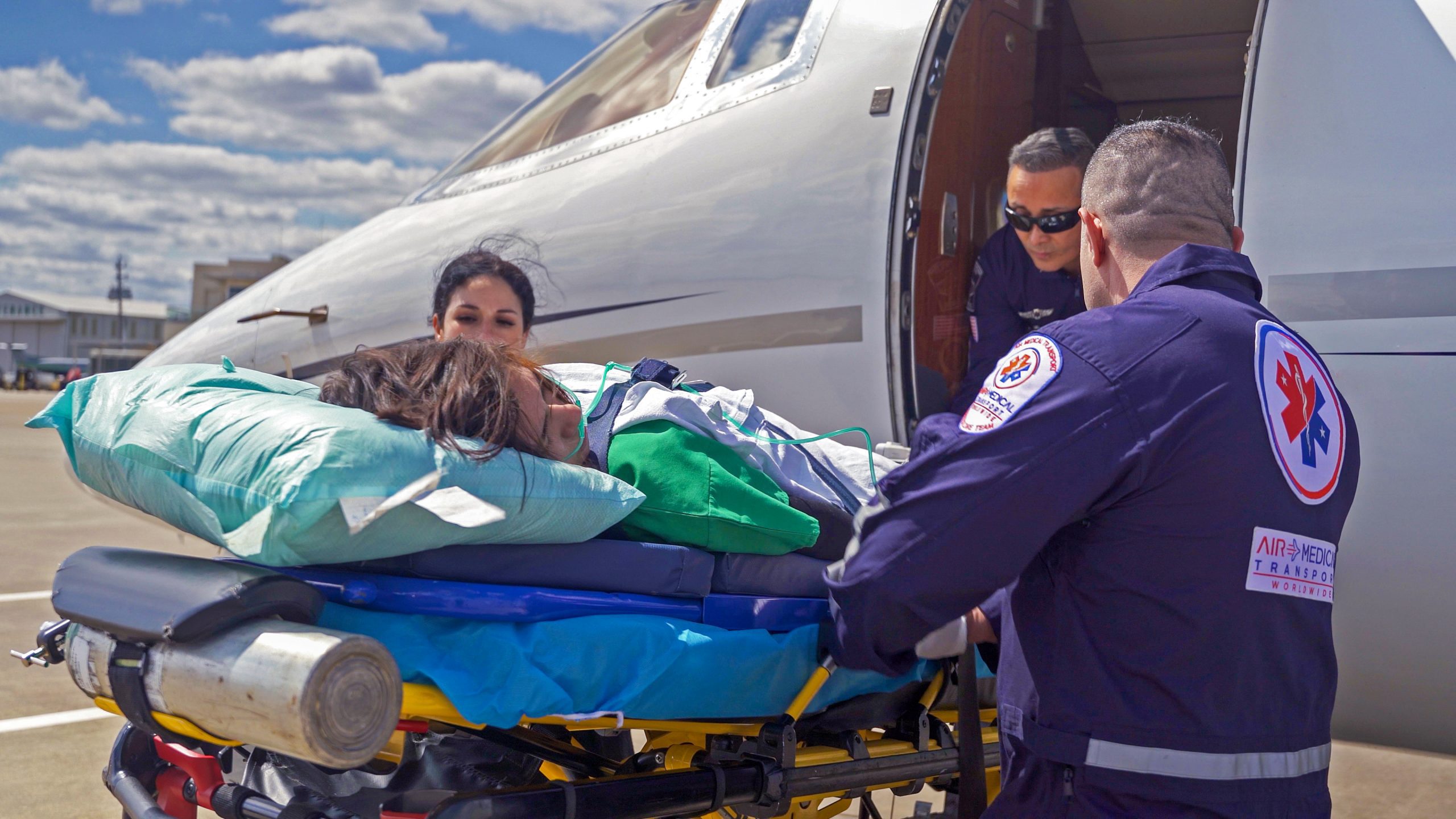
Rehabilitation Transfers — Fixed-Wing Air Ambulance Transport
Patients transferring to specialized rehabilitation centers after trauma, stroke, surgery, or complex medical events may need medically supported fixed-wing air ambulance transport when commercial travel or prolonged ground transport is not appropriate.
Clinical Priorities
- Positioning and pressure-management needs
- Care continuity for mobility limitations or neurologic deficits
- Real-time updates between sending and receiving rehabilitation teams
- Support for ventilatory, oxygen, mobility-assist, or monitoring devices when clinically required and available
Our Approach
We coordinate transport details with sending and receiving rehabilitation facilities to support facility acceptance, accurate transfer information, and a calm handoff to continued care.

Palliative & Hospice Transfers — Fixed-Wing Air Ambulance Transport
Palliative and hospice patients may require comfort-centered, compassionate fixed-wing air ambulance transfers that reduce avoidable physical stress while honoring the patient's wishes, family needs, and clinical requirements.
Clinical Priorities
- Symptom control and comfort-management planning with the appropriate clinical team
- A controlled transport environment when clinically appropriate and available
- Clear communication with palliative care, hospice, or receiving teams
- Sensitive coordination with families navigating difficult decisions
Our Approach
We support these deeply personal transports with calm, steady guidance, dignity-focused planning, and clear communication throughout the bed-to-bed fixed-wing air ambulance process.
When a named specialty center is already involved, families may also review fixed-wing air ambulance to and from specialty centers.
Our Process: Simplified for Special Needs & Complex Conditions
1. REQUEST A QUOTE
Provide clinical details, locations, physician guidance when available, preferred timing, and any condition-specific needs.
2. BOOK AN AIR AMBULANCE
After quote review, submit booking details and required documentation so availability, routing, medical team, equipment, and aircraft options can be reviewed for scheduling.
3. PAY ONLINE
Bank wire payment instructions are included with every quote. If you prefer to pay or complete an approved credit card authorization online, please use the following link:
Complete the required payment or the approved preauthorization per the booking requirements. Booking and transport arrangements proceed after the required agreement and payment steps are completed, credited, or properly pre-authorized.
Once booking requirements are complete and availability is confirmed, our Flight Coordinator Specialists manage the transport with continuous transport monitoring, closed-loop communication, and updates through arrival at the receiving facility.
This approach helps families and clinical teams understand the next steps, communication points, and planning requirements with less uncertainty. Air Medical Transport focuses on private-pay fixed-wing air ambulance transport management.
For the full sequence, see the air ambulance process.
Frequently Asked Questions
What types of patients fall under "special needs & complex conditions"?
Special needs and complex conditions may include oncology, immunocompromised, rare disease, neurologic, neuromuscular, spinal cord injury, traumatic brain injury, rehabilitation, palliative, and hospice patients who require specialized transport planning, equipment, monitoring, positioning, or care-team alignment.
How does fixed-wing air ambulance transport support these patients?
Fixed-wing air ambulances are medically configured for patient transport. For medically complex patients, support may include appropriate medical team selection, specialized equipment when clinically required and available, and complete bed-to-bed transport management.
What equipment is typically used for these transports?
Equipment depends on the patient's condition and selected operator resources. It may include monitoring systems, transport ventilators, oxygen and suction systems, cardiac monitoring equipment when clinically required and available, aircraft stretcher systems, safe-loading configurations, mobility-support equipment, medication administration equipment, and condition-specific devices appropriate for fixed-wing air ambulance transport.
Can these transports be arranged internationally?
Yes. Fixed-wing air ambulance transports may be arranged within the United States, from and to the United States, and worldwide between international locations. Availability remains subject to patient condition, physician guidance, aircraft, flight crew, and medical team availability, routing, weather, documentation, airport suitability, customs, landing permissions, overflight permits, country-specific clearances, and applicable regulatory requirements.
How do I request a transport?
Start with REQUEST A QUOTE and provide the patient's condition, current and receiving locations, preferred timing, physician guidance when available, and any special clinical, equipment, positioning, or documentation needs.
Trusted by Families and Care Teams
Ready to Begin?
Request a quote to review fixed-wing air ambulance options for your specific situation. You do not need full details to begin. Start with your contact details, the patient's condition, location, and destination, and we will help identify the information needed for a quote.
Our Flight Coordinator Specialists are available 24/7 to provide clarity, support, and steady guidance when it matters most.