


Fixed-Wing Air Ambulance for Special Clinical Populations
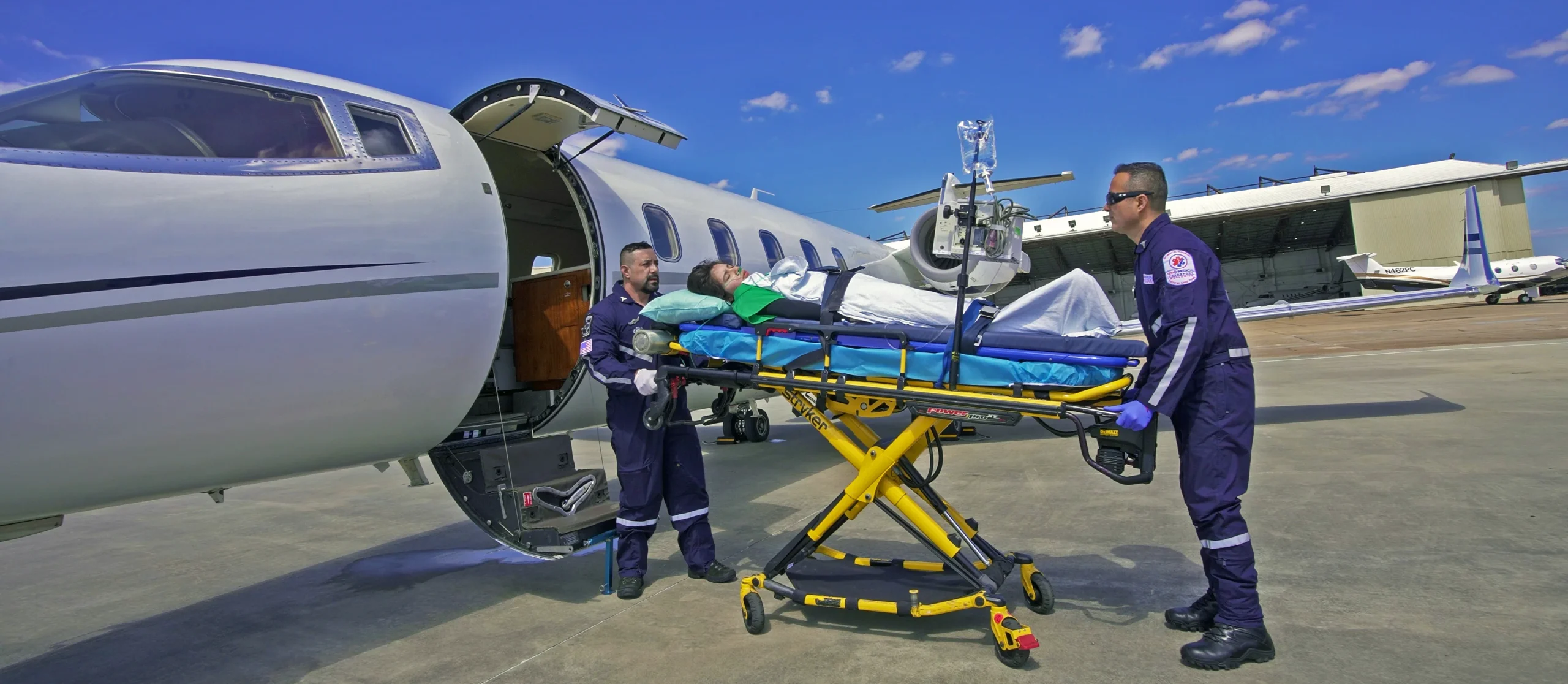
Air Medical Transport provides complete bed-to-bed fixed-wing air ambulance transport management for patients with specialized clinical transport needs, including neonatal, pediatric, geriatric, and bariatric cases.
Our Flight Coordinator Specialists manage each transport through selected FAA Part 135 and/or EASA-certified fixed-wing air ambulance operators. Families, hospitals, and care teams receive clear guidance, closed-loop communication, and continuous transport monitoring from the first call through arrival at the receiving facility.

Worldwide
Network

International
Air Ambulance

Bed-to-Bed
Transport

ICU-Equipped
Aircraft

24/7
Support

Safety &
Compliance
Families and facilities do not need to coordinate multiple parties or manage transport logistics alone. Our team remains the single point of contact throughout the fixed-wing air ambulance process. The patient's physicians guide clinical decisions. Our team uses the information provided to review fixed-wing air ambulance options, planning requirements, and clear next steps.
We support fixed-wing air ambulance transports within the United States, from and to the United States, and worldwide between international locations when clinically appropriate and operationally feasible based on the information provided.

Neonatal Fixed-Wing Air Ambulance Transport
Neonatal fixed-wing air ambulance transport may be appropriate for premature infants, newborns with congenital conditions, or infants who require access to advanced NICU-level care when ground transport or commercial travel is not medically appropriate.
Neonatal transports require careful attention to thermal stability, airway and respiratory support, monitoring, aircraft suitability, and communication between the sending and receiving clinical teams.
Clinical Priorities
- Thermal stability inside a temperature-controlled neonatal isolette when clinically required and available
- Airway and respiratory support matched to neonatal transport needs
- Clinical monitoring appropriate to the transport plan and available equipment
- Closed-loop communication between NICUs, physicians, and receiving specialists
Team Composition
- neonatal flight physician or neonatologist
- critical care flight nurse
- respiratory therapist with neonatal transport experience
- flight paramedic with neonatal transport expertise
Why Families and Hospitals Rely on Us
Pediatric Fixed-Wing Air Ambulance Transport
Children may require pediatric-specific fixed-wing air ambulance planning because their anatomy, physiology, medication needs, stress responses, and monitoring requirements differ from adults. When clinically appropriate, fixed-wing air ambulance transport can provide a medically configured environment for children who cannot travel safely by prolonged ground transport or commercial flight.
When Pediatric Fixed-Wing Transport Is Appropriate
- Critical illness requiring PICU-level monitoring or support
- Trauma requiring access to subspecialty centers
- Cardiac, neurological, or complex metabolic conditions
- Long-distance transfers not appropriate for surface transport or commercial travel
Clinical Transport Considerations
- Higher metabolic demands and fluid sensitivity
- Immature immune systems
- Specialized medication dosing and monitoring
- Sedation, comfort, and pain-management considerations directed by the appropriate clinical team
Our Pediatric Approach
Pediatric transports use medical teams and equipment selected for the child's condition, routing, and transport requirements, subject to clinical appropriateness and availability at booking. Our Flight Coordinator Specialists support the transport with continuous transport monitoring, clear updates, and communication between authorized family representatives and clinical teams.
Geriatric Fixed-Wing Air Ambulance Transport
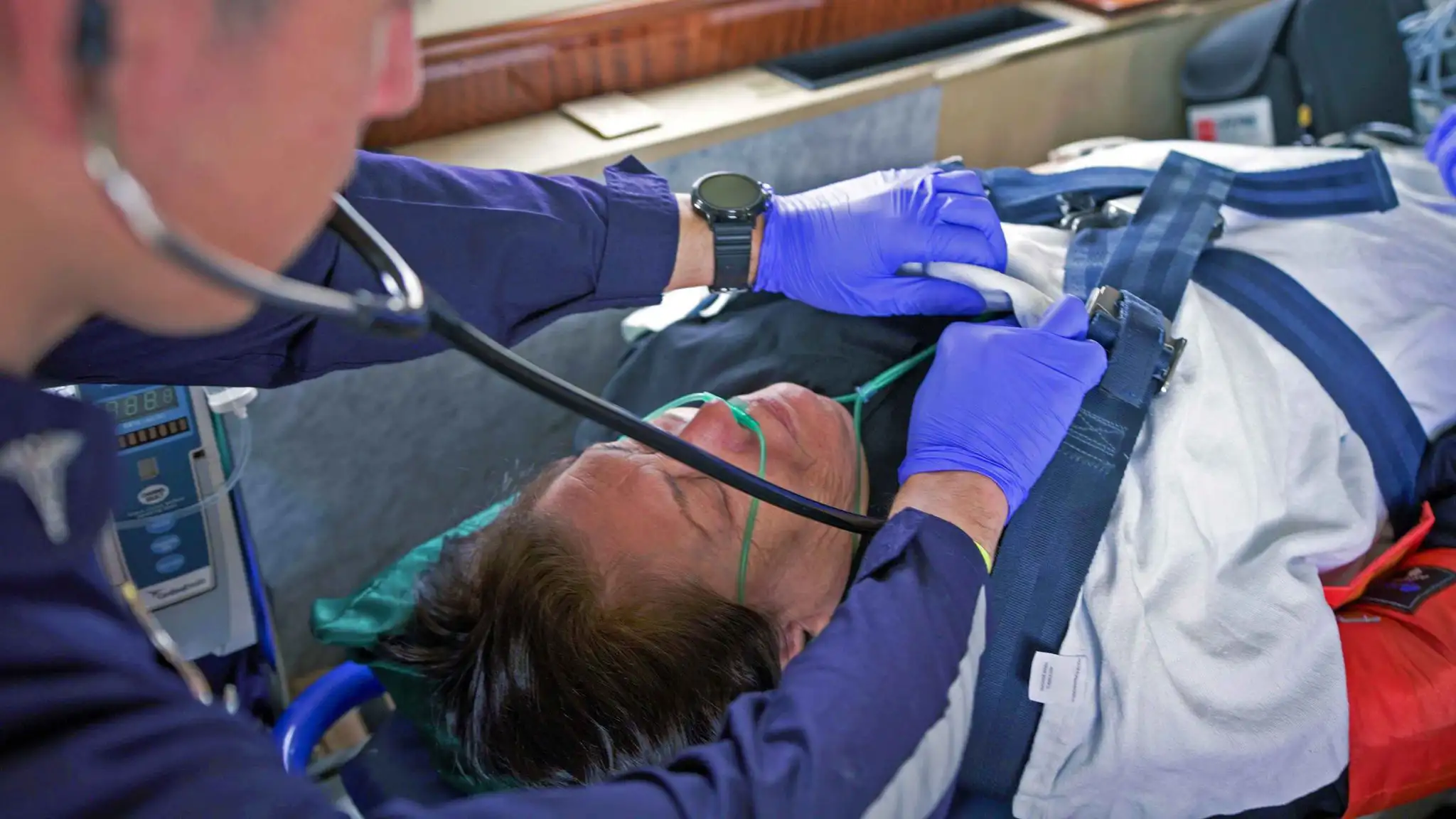
Geriatric patients may have multiple medical conditions, reduced physiologic reserve, medication sensitivity, limited mobility, or increased vulnerability to stress during long-distance travel.
Fixed-wing air ambulance transport may support a more controlled transfer environment for elderly patients who require medical monitoring, positioning support, oxygen, equipment, or specialized medical support during transport.
Clinical Considerations for Elderly Patients
- Risk of delirium, cardiac instability, or respiratory compromise
- Medication sensitivity and altered drug response
- Fragile skin, fall risk, and musculoskeletal vulnerability
- Renal, gastrointestinal, or mobility limitations that may affect transport planning
Our Flight Coordinator Specialists align aircraft suitability, medical team capability, bed-to-bed transfer requirements, and closed-loop communication to support continuity of care.

Bariatric Fixed-Wing Air Ambulance Transport
Bariatric fixed-wing air ambulance transport requires careful planning around patient measurements, weight, loading method, aircraft suitability, securement, positioning, equipment needs, and airport logistics.
Key Bariatric Considerations
- Aircraft floor-load limits and loading-door dimensions
- Bariatric aircraft stretcher systems and securement requirements
- Oxygenation, ventilation, and positioning needs based on the patient's condition
- Padding, pressure-relief, and safe transfer planning
Fit Assessment Requirement
Our Process: Simplified for Special Clinical Populations
1. REQUEST A QUOTE
Provide clinical details, locations, patient measurements when relevant, and preferred timing so appropriate transport options can be reviewed.
2. BOOK AN AIR AMBULANCE
After quote review, submit booking details and required documentation so availability, routing, medical team, equipment, and aircraft options can be reviewed for scheduling.
3. PAY ONLINE
Bank wire payment instructions are included with every quote. If you prefer to pay or complete an approved credit card authorization online, please use the following link:
Complete the required payment or the approved preauthorization per the booking requirements. Booking and transport arrangements proceed after the required agreement and payment steps are completed, credited, or properly pre-authorized. Once booking requirements are complete and availability is confirmed, our Flight Coordinator Specialists manage the transport with continuous transport monitoring, closed-loop communication, and updates through arrival at the receiving facility. For the full sequence, see the air ambulance process.
Frequently Asked Questions
What qualifies as "special clinical populations"?
How does fixed-wing air ambulance transport support these populations?
What equipment is used?
How do I request a transport?
Is insurance coverage available?
How long does it take to arrange a transport?
Ready to Begin?
There is no obligation to proceed until you are comfortable, fully informed, and have formally accepted the applicable terms by submitting payment or signing the required agreement. Request a quote to review the most appropriate fixed-wing air ambulance options for your specific situation. Our Flight Coordinator Specialists are available 24/7 to provide clarity, support, and steady expertise when it matters most.